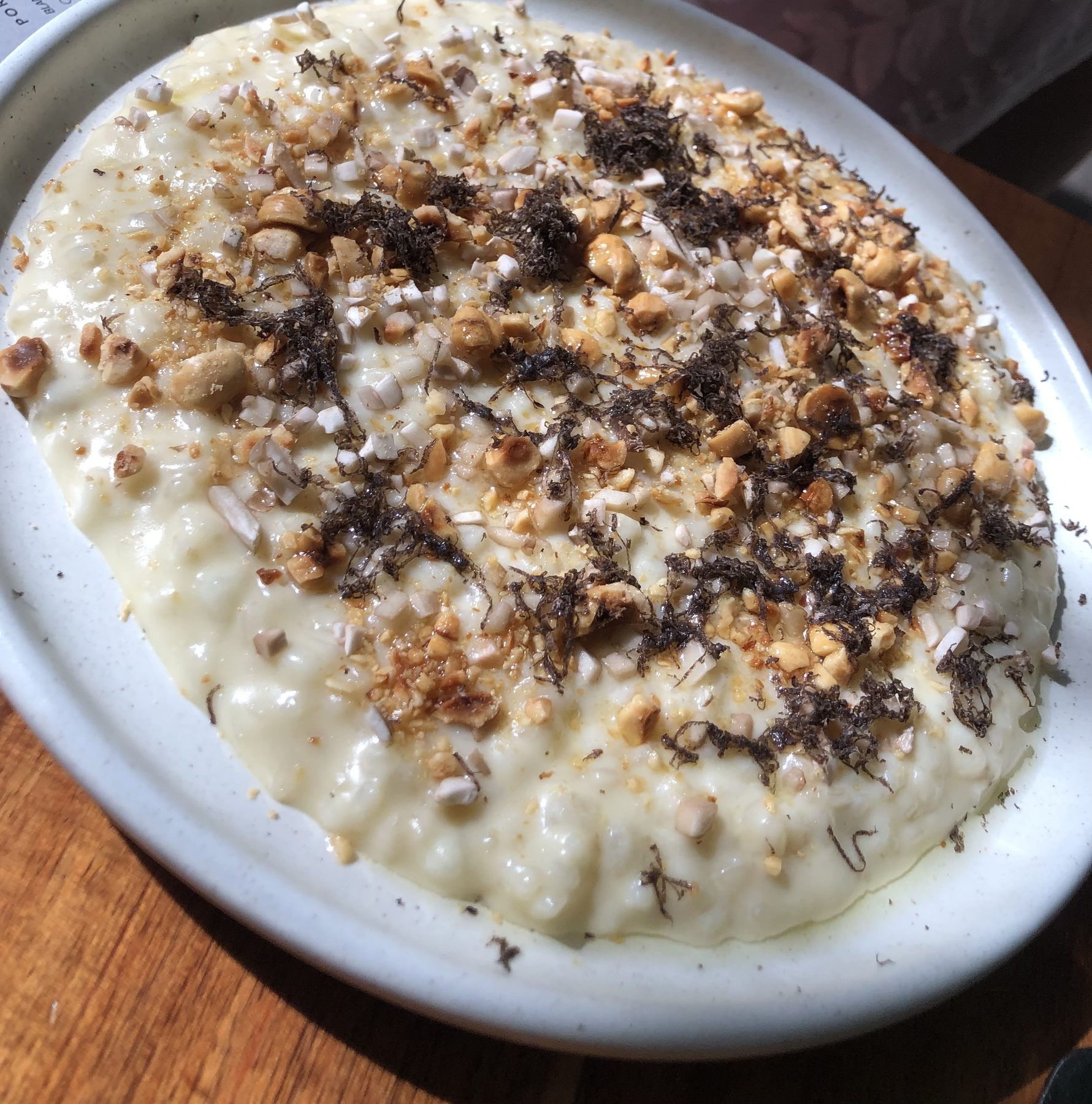
"Organic" gets printed on so many labels that it can start to sound like marketing. In my kitchen it isn't a selling point. It's the baseline every menu starts from — and after years of cooking this way, I can taste the difference when it's missing.
Here's how I think about sourcing as a private chef in Denver and Boulder, why it matters for flavor as much as health, and how it shapes what ends up on your table.
What "organic" actually means
In the U.S., the USDA Organic label means the food was grown without synthetic pesticides, synthetic fertilizers, sewage sludge, irradiation or genetic engineering, and that animals were raised with access to the outdoors, fed organic feed, and not given antibiotics or growth hormones. It's a legal standard, verified by third-party certifiers.
That's the floor, not the ceiling. Some of the best food on the Front Range comes from small farms that grow this way — or better — but haven't paid for certification. Knowing who grew something often tells you more than the sticker does.
Why it matters on the plate
Flavor
Produce grown in living soil and picked closer to ripeness simply tastes more like itself. A carrot from a farmers market in September is sweet enough to serve raw with nothing but olive oil and salt. A carrot that was bred to survive a week on a truck isn't. When you start with ingredients like that, you need less butter, less sugar and less salt to make a dish sing — which is exactly how healthy food should work.
What you're not eating
Choosing organic reduces your exposure to synthetic pesticide residues. Some crops matter more than others: thin-skinned fruits and leafy greens tend to carry more residue than thick-skinned produce like avocados or onions. When a client wants to keep costs down, that's where I start — organic where it counts most, smart savings where it doesn't.
Animals and fat
For meat, eggs and dairy, how the animal lived shows up in the food. Pasture-raised eggs have deeper-colored yolks and richer flavor. Grass-finished beef and lamb have a cleaner, more distinct taste. I'd rather serve a smaller portion of excellent meat than a big portion of the alternative.
Cooking with Colorado's seasons
Colorado's growing season is short and intense, and some of the best produce in the country comes out of it. Cooking with it is one of my favorite parts of this job:
- Late spring: asparagus, spring onions, radishes, peas, tender greens.
- Summer: Olathe sweet corn, Palisade peaches, Rocky Ford melons, tomatoes, stone fruit, herbs everywhere.
- Early fall: roasted Pueblo chiles, apples, winter squash, beets, hearty greens.
- Winter: storage crops, braises, citrus, local grains, and what I preserved when things were abundant.
That's why I don't publish a fixed menu. Your dinner in July should taste like July.
How I source for private dinners and meal prep
For every in-home dinner and weekly meal prep, I shop the week of — from farmers markets in Denver and Boulder when they're running, local producers, and the best organic grocers in town the rest of the year. Seafood is chosen for sustainability and freshness, not just price. And everything is cooked from scratch: stocks, sauces, dressings and breads start as whole ingredients, not packages.
Much of this approach comes from three years apprenticing at a wellness retreat in Costa Rica, where food was treated as part of how guests healed. Since then I've cooked everywhere from high-end mountain clubs to retreats for 200+ guests, and the principle hasn't changed: food should nourish first, and good ingredients make that effortless.
Frequently asked questions
Is everything you cook 100% organic?
Organic is my default for produce, dairy, eggs and meat. When a local farm grows cleanly but isn't certified, or an organic version isn't available, I pick the best option and tell you what it is.
Does organic cost more?
Usually somewhat. Cooking seasonally and buying whole ingredients instead of packaged ones makes up for a lot of the difference.
Can I choose conventional ingredients to save money?
Of course. I'll tell you where organic matters most and where it's a sensible place to save.
Taste the difference at your own table
In-home dinners, weekly meal prep and private events across Denver and Boulder.
Book Chef Andrew